



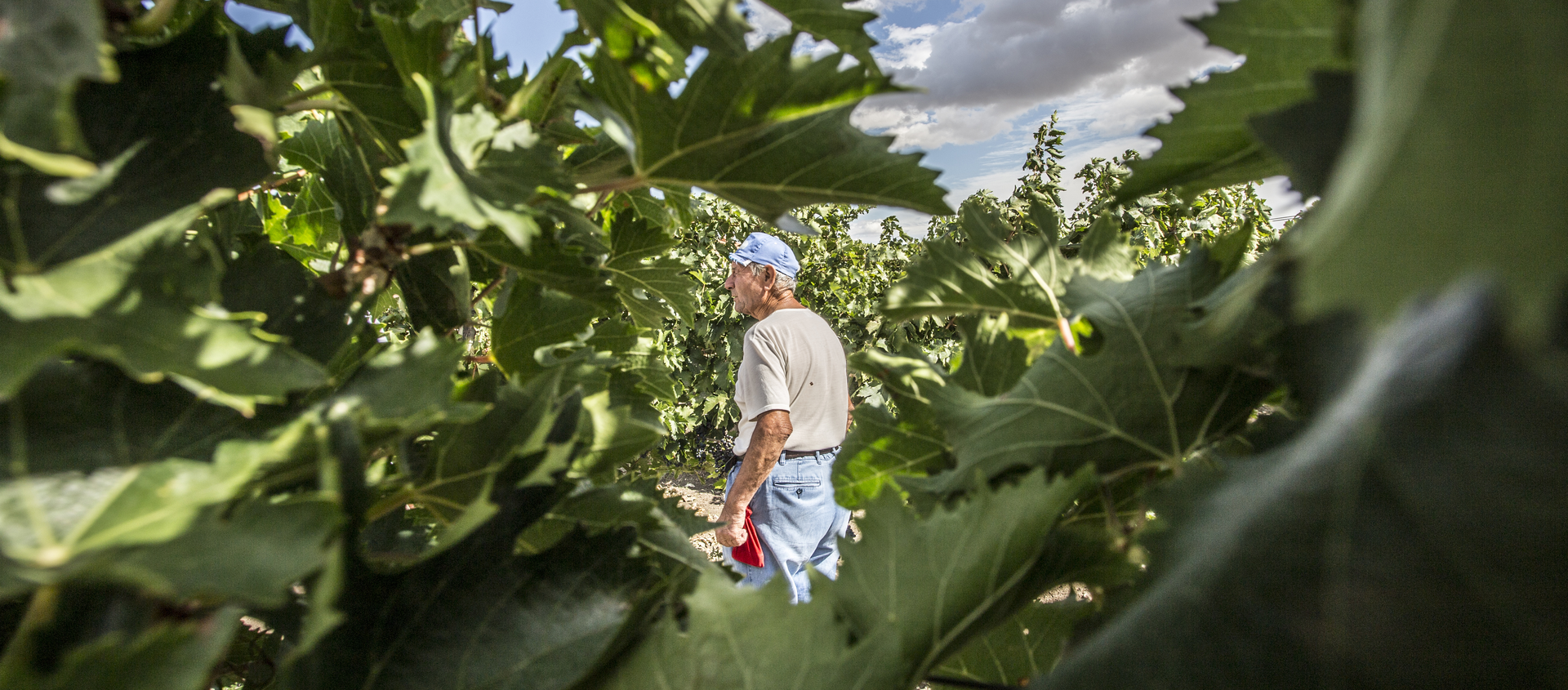
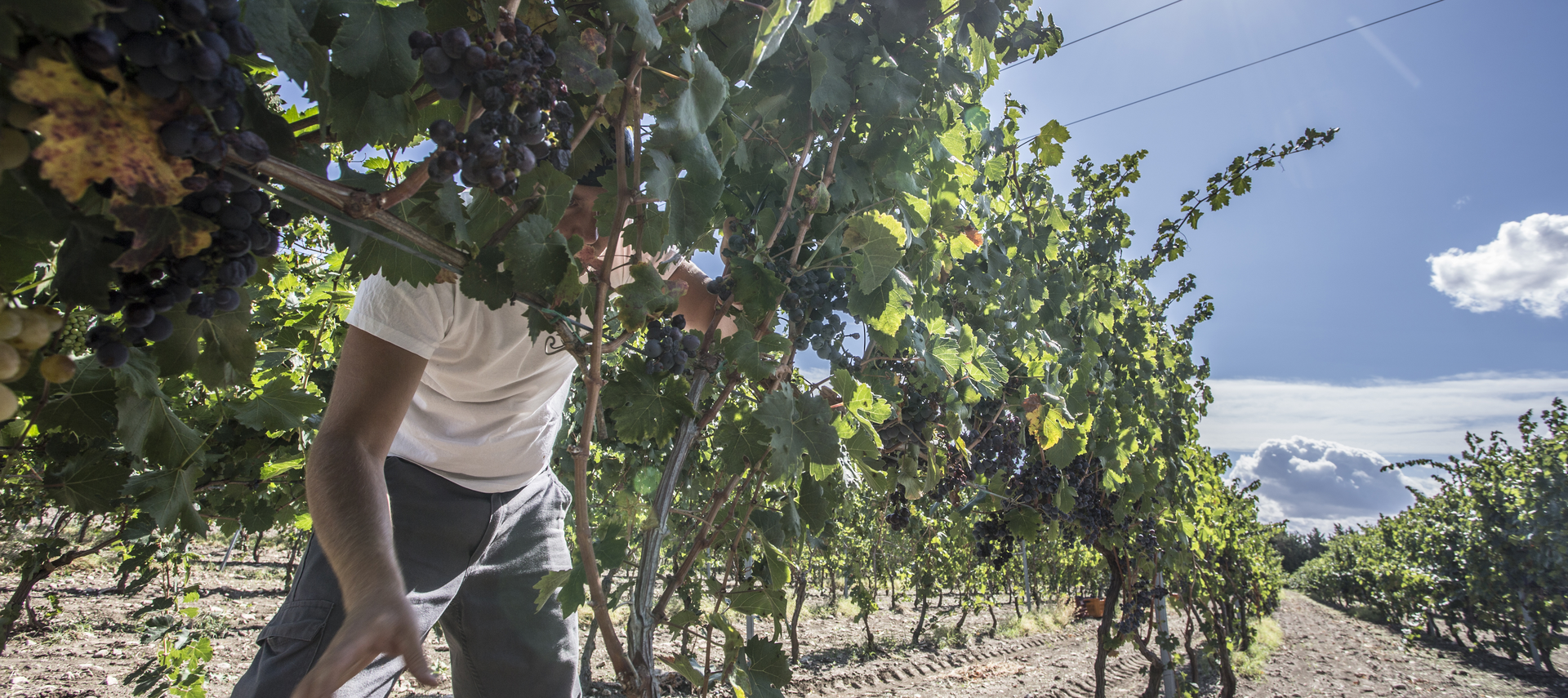
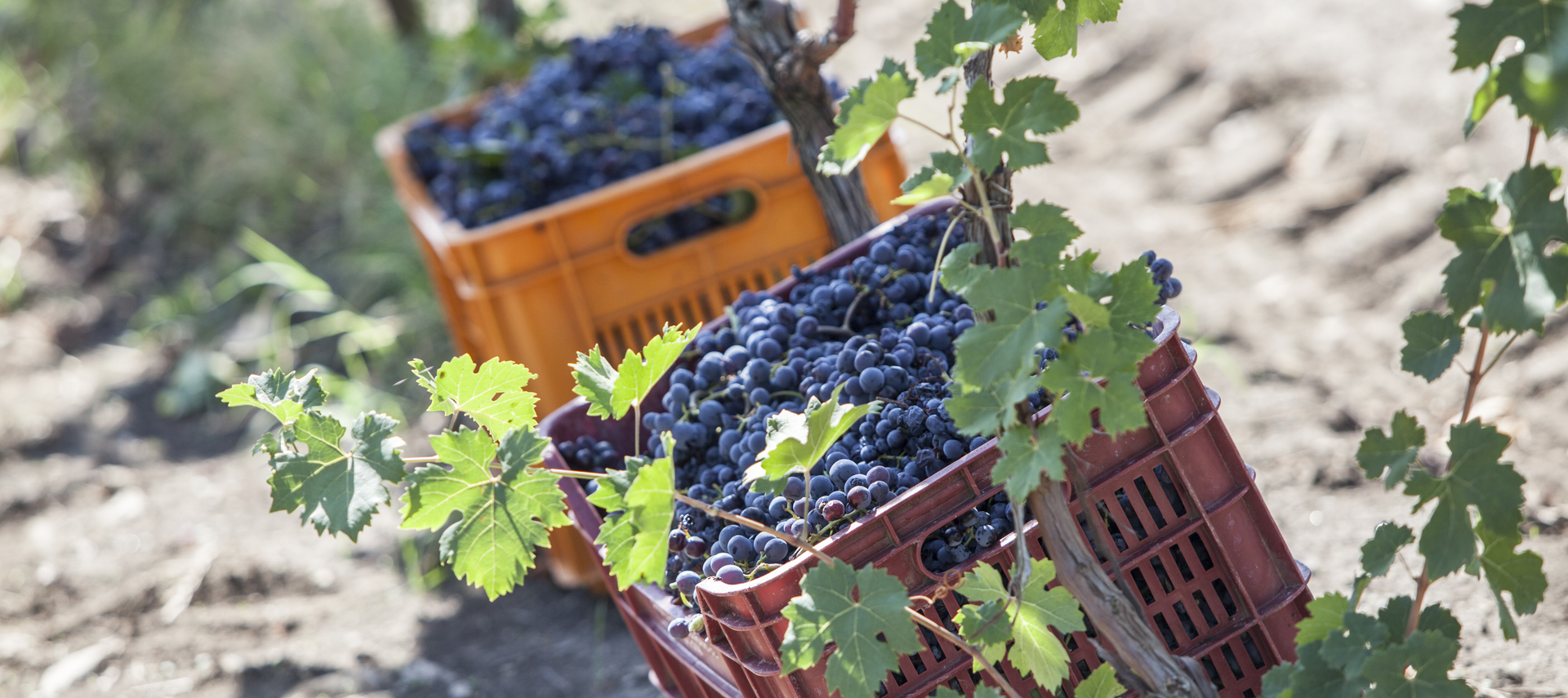
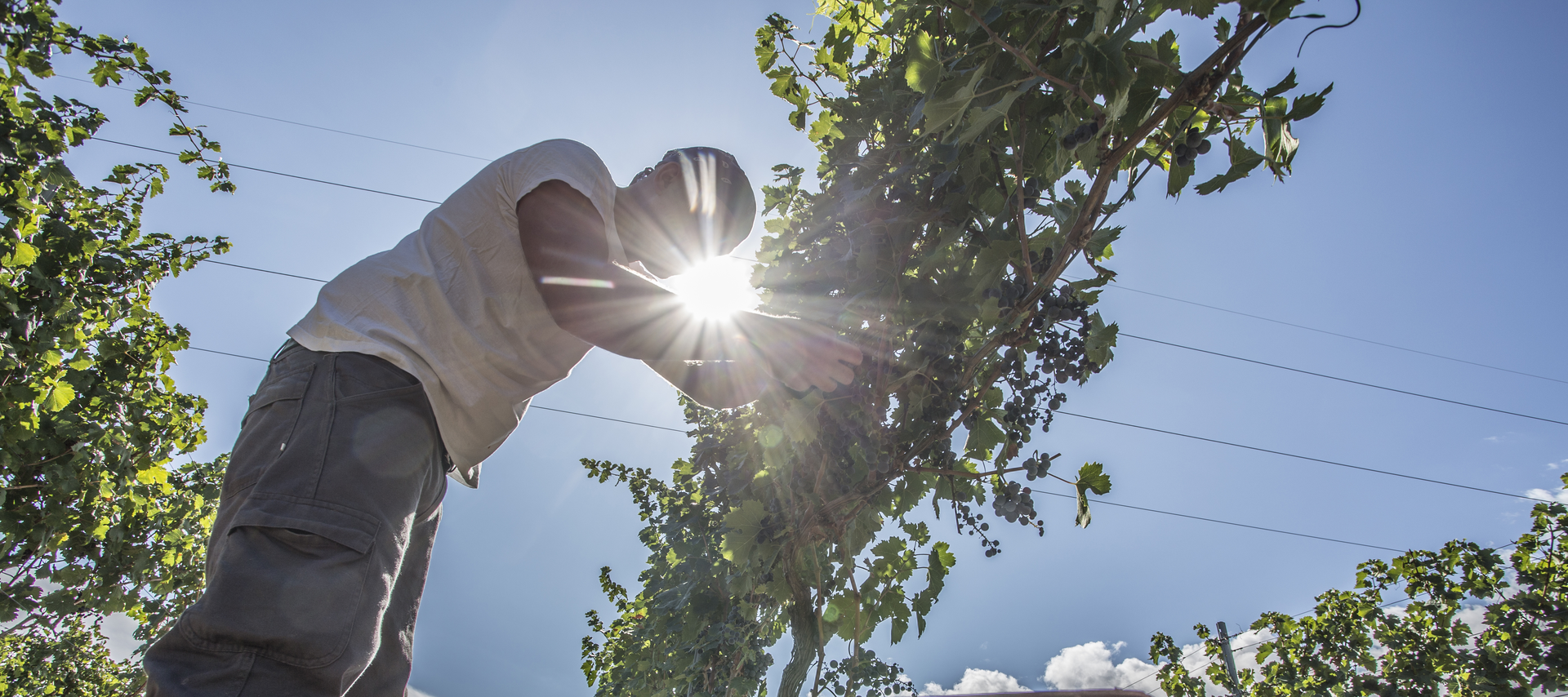

Paglione Azienda Agricola is a family-run farm founded in Lucera in 1994.
Here, wine begins with a clear choice: organic farming, the enhancement of the native grape
varieties of Upper Puglia, and the preservation of a heritage of rural
knowledge intertwined with that of a family that has turned experience
into a coherent, recognizable project.
Paglione Azienda Agricola is a family-run agricultural business founded in Lucera in 1994.
Here, wine is born from a clear choice: to cultivate organically, enhance the native grape varieties of Northern Puglia, and preserve a heritage of rural knowledge intertwined with that of a family that has transformed experience into a coherent and distinctive project.
La storia di Paglione inizia con Beniamino Faccilongo e Maria Costanza, che nel 1994 scelgono di convertire l’azienda di famiglia al biologico dopo aver visto gli effetti dell’agricoltura intensiva sul territorio.
È un passaggio nato dalla convinzione che, per produrre bene, bisogna prima di tutto rispettare la terra e imparare a leggerla nel tempo.
Oggi questo percorso continua con Nicola Faccilongo, che porta avanti il lavoro di famiglia facendo dialogare tradizione e un metodo più contemporaneo.
Accanto a lui restano centrali il patrimonio di saperi tramandati, la presenza simbolica di Nonno Nicola e il contributo di chi, in vigna e in cantina, interpreta ogni giorno questo metodo con attenzione e responsabilità.
Paglione è così una storia familiare che continua a evolvere senza perdere il proprio centro.
Method
For us, making wine means removing the superfluous and giving space to what truly matters: grapes, soil, time and work. An agricultural and artisanal approach, essential yet rigorous, which begins in the vineyard and continues in the cellar with minimal intervention.
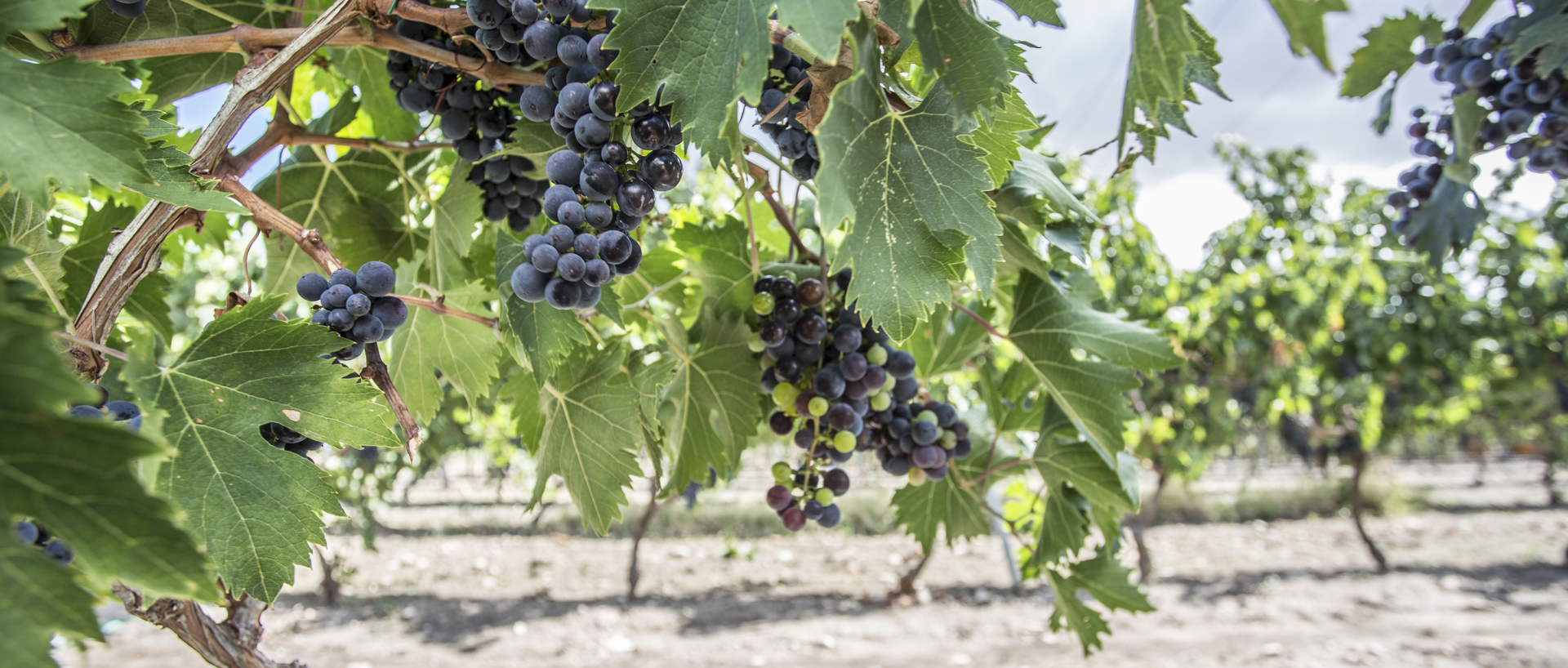
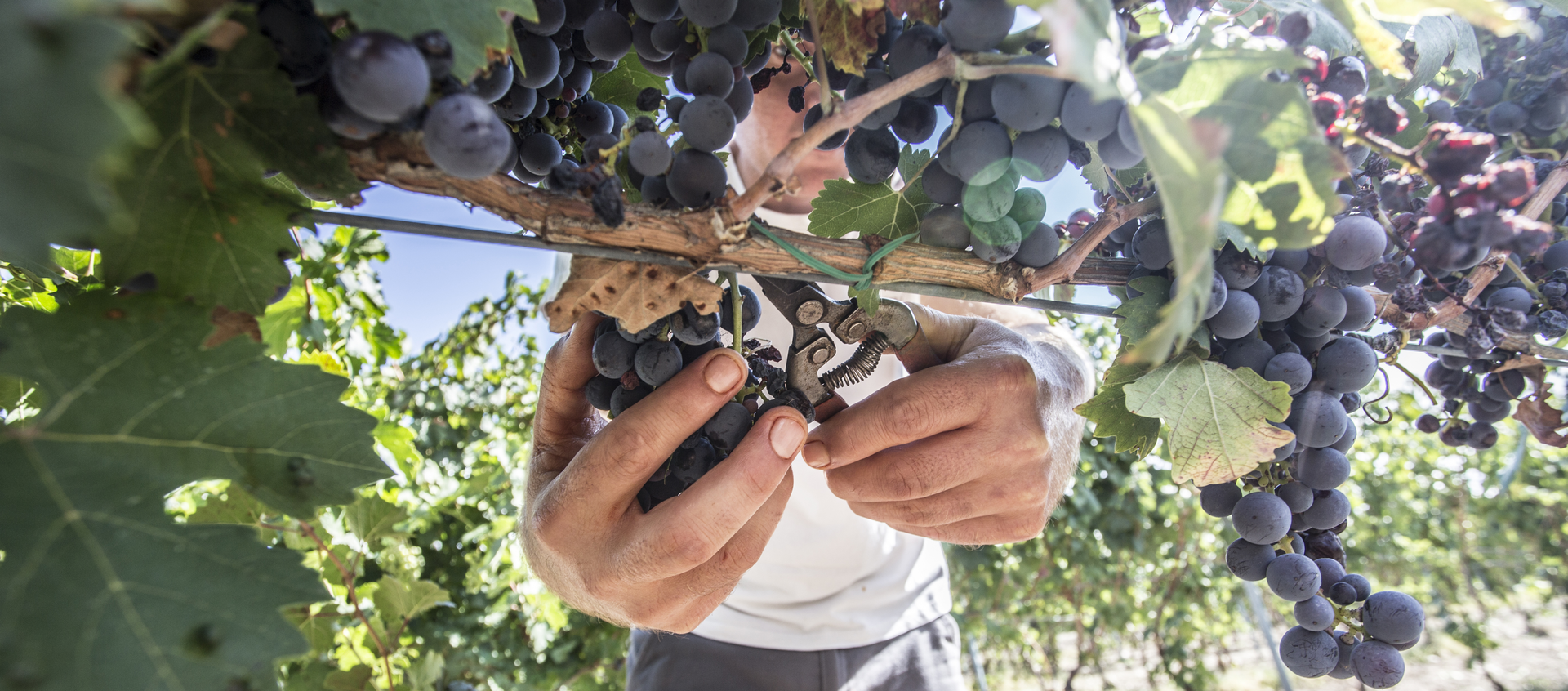
Il nostro metodo nasce dalla conoscenza della terra e dalla volontà di conservarne fertilità ed equilibrio. I vigneti sono coltivati in agricoltura biologica, all’interno di un paesaggio agricolo fatto di vigne, grano, ulivi, mandorli e pomodori. In questo ecosistema ogni scelta ha l’obiettivo di rispettare il suolo, accompagnare i ritmi naturali della vite e preservare la biodiversità del territorio.
Si coltivano solo varietà che appartengono alla storia vitivinicola del nord della Puglia: Nero di Troia, Montepulciano, Sangiovese, Bombino Bianco, Malvasia Bianca e Trebbiano. In cantina, la stessa idea di essenzialità guida tutto il lavoro: fermentazioni spontanee con lieviti indigeni, nessuna chiarifica, nessuna filtrazione, nessun intervento non necessario. Ogni vino prende forma con un’identità propria, frutto dell’annata, delle uve e di una lavorazione artigianale attenta ma non invasiva.
Territory
We are in Lucera, in Daunia, northern Puglia: an agricultural and historic land shaped by the meeting
of landscapes, cultures and production traditions. It is here that our wine is born, within a territory that
preserves a strong historical and cultural identity and a long winemaking memory.
The vineyards extend across the countryside of Lucera, between the Tavoliere delle Puglie and the Daunian Sub-Apennines, at 191 metres above sea level. This is an agricultural setting of broad cultivated plains, calcareous soils and a strong coexistence of different crops, which helps define the character of the landscape and of the production. In Daunia, the vine is never isolated: it is part of a wider historical and agricultural system. Within this geography, Nero di Troia finds one of its most significant expressions: a grape variety deeply linked to northern Puglia and to the winemaking memory of Daunia. Its name recalls the ancient town of Troia, not far from Lucera, but also a broader imaginary world of passage, dominion and cultural layers that have crossed this part of Puglia for centuries. It is an identity-bearing grape, capable of returning in the glass the austere and luminous nature of the territory.
Cacc’e Mmitte DOC di Lucera
Cacc'e Mmitte is the most emblematic appellation of the Lucera area.
Its name recalls an ancient shared system of winemaking, born when winegrowers used the 'palmenti’ (stone fermentation tanks), in quick succession, taking out (‘cacc’) and putting in (‘mitt’) grapes and must.
Still today, this wine represents a living legacy of the territory: an identity-driven blend,
deeply tied to local tradition and to the rural culture of Daunia.
Cacc'e Mmitte DOC di Lucera is an appellation registered in 1975, whose production area includes the countryside of Lucera, Troia and Biccari, at the foot of the southern Apennine mountains,
in the province of Foggia.
At a time when not all winegrowers owned cellars equipped for winemaking, it was customary to rent the ‘palmenti’ from the owners of the ‘masserie’. The rental lasted only one day; for this reason, the different grape varieties were harvested at the same time and then pressed together inside these large stone vats.
According to the production regulations, the permitted varieties are:
- Nero di Troia, from 35 to 60%
- Montepulciano, Sangiovese e Malvasia Nera di Brindisi, alone or together, from 25 to 35 %
- Trebbiano Toscano, Bombino Bianco and Malvasia del Chianti, alone or together, from 15 to 30%
Wine Stories
Five wines, one vision:
to tell the story of Lucera and Daunia through native grape varieties, artisanal processes and interpretations that bring together memory, territory and expressive freedom.
-
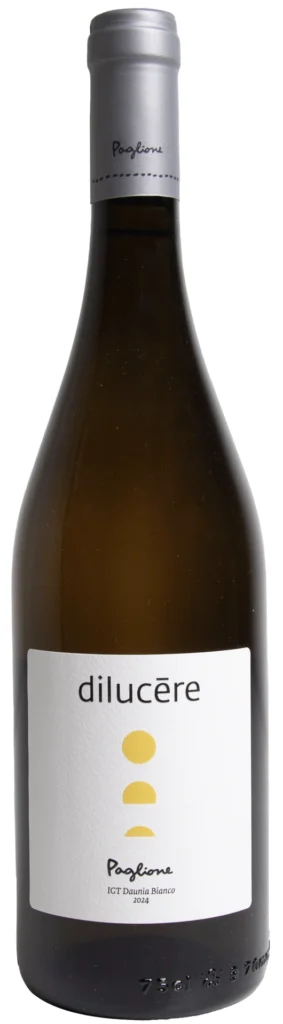
Dilucēre
The daybreak of dawn
It breaks the darkness of the night and fills our land with clarity and light at the first light of morning. The same aura that made Frederick II fall in love with it: 'If the Lord had known this plain of Puglia, light of my eyes, He would have stopped to live here.'
'Dilucere' - from the Latin: to be clear, to become manifest - carries with it a tribute to our essence, transformed into precious nectar. Its intense colour in the glass evokes the impressions of summer, the long sunlit days among the paving stones and rose windows of Lucera, among pale stone architecture, among vineyards and the geometries of yellow wheat fields, down to the white foam of the Gargano coast.Visually, it appears straw yellow with greenish reflections. On the nose it is clean, fragrant, with notes of peach and rose and a citrus finish. On the palate it shows freshness, sapidity and persistence. Its elegance makes it an extremely versatile wine, suited to aperitifs, first courses with fish and vegetables, and white meats.
DOWNLOADIGT Daunia Bianco
Grape varieties
Bombino Bianco - Malvasia Bianca
Alcoholic fermentation
Spontaneous, in stainless steel at 18-20°
Aging
6 months in stainless steel tanks
Alcohol
12%
Serving temperature
10°-12° C
DATASHEET -
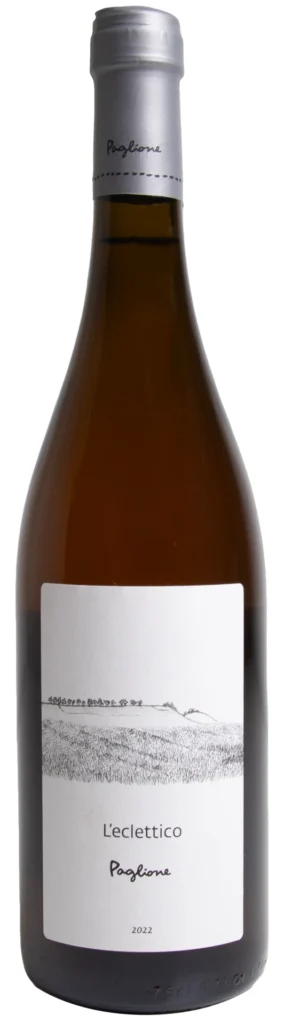
L’Eclettico
Nomen Omen
An eclectic person is one who, in the arts and sciences, draws elements from different opinions, genres and schools in order to harmonise them into a new synthesis. In the same way, 'L'eclettico' is a synthesis of intuition and winemaking science. In the past, those who had a cellar at home would often 'cook' white wines to help them last longer, vinifying them like reds through long skin maceration. Today, sip after sip, one discovers a wine that resists a single interpretation, because of its inherent versatility and its ability to lend itself, through an ancient winemaking process far from standard practice, to new and modern languages.
'L'eclettico' appears straw yellow with golden reflections, slightly cloudy due to the absence of filtration. On the nose it shows pronounced notes of ripe fruit, with a slight flint sensation. On the palate it is full-bodied, with moderate acidity supported by marked sapidity: this gives it great pairing versatility.
DOWNLOADOrange Wine
Grape varieties
Bombino Bianco - Malvasia Bianca
Alcoholic fermentation
Spontaneous, in stainless steel, with maceration on the skins for about 8/10 days at a controlled temperature of 18-20 °C
Aging
8 months in stainless steel tanks and 8 months in bottle. Unfiltered, unstabilised
Alcohol
12.5%
Serving temperature
13°-15° C
DATASHEET -
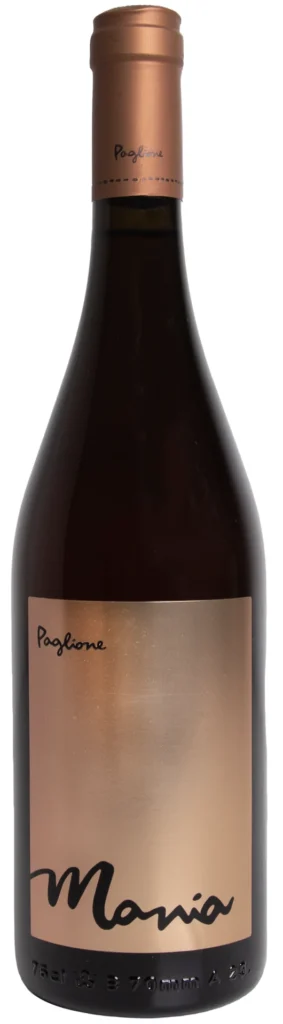
Mania
Redrawing memories
Karl Jaspers describes 'mania' as an 'overflowing cheerfulness and primary euphoria, in which things, the world and the future appear in the rosiest light.' In these words we find all the character and enthusiasm that accompanied the intuition behind this wine. It begins with a memory: a ruby yet transparent colour, a decisive but convivial flavour. It is cacc'e mmitte. The authentic one, the wine of the past. Closer to a rosé than to a red. The idea is to bring it back with a new formula, softening its contradictions and evolving it, as every experiment requires. The result is a rosé of countless shades, recalling summer and all the enthusiasm it can awaken.
Mania appears pale pink in colour. On the nose it reveals a delicate note of cherry in spirit, with a spicy touch and a floral finish. On the palate it offers freshness and a balanced interplay of sapidity, structure and roundness. The finish is persistent and sweet.
DOWNLOADRosé Wine
Grape varieties
Nero di Troia - Sangiovese - Montepulciano - Bombino Bianco
Alcoholic fermentation
Spontaneous, in stainless steel with brief maceration on the skins
Aging
8 months in stainless steel tanks. Unfiltered, unstabilised.
Alcohol
13%
Serving temperature
8°-10° C
DATASHEET -
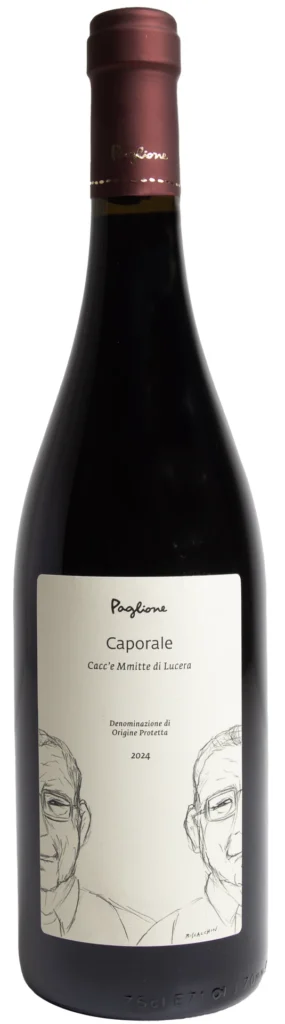
Caporale
Nonno Nicola
Born in 1930, he is first and foremost a farmer, but also the grandfather of everyone who crosses the threshold of the Paglione estate. 'Ariopp, Ariopp' is the mantra he learned as a teenager, a transliteration of the 'Hurry up' he heard from the American soldiers who arrived in Foggia and Lucera at the end of the Second World War. He first entered the vineyard at the age of 13 and has never stopped shaping the profiles and geometries of the countryside around the city of Lucera. Nonno Nicola, who was producing his Cacc'e Mmitte even before DOC recognition, preserves priceless historical sources and memories like a living encyclopedia. 'Caporale' is like him: firm, direct and fond of conversation.
The varieties used are Nero di Troia, Montepulciano and Bombino Bianco, in proportions consistent with the requirements of the Cacc'e Mmitte di Lucera DOC production regulations. 'Caporale' shows an intense ruby-red colour with light garnet reflections. On the nose it is delicate, clean and fruity, with notes of raspberry, plum and blackberry, followed by a spicy finish. On the palate it is fresh despite its alcohol content, moderately fruity and easy to drink.
DOWNLOADCacc’e Mmitte di Lucera DOC
Grape varieties
Nero di Troia - Montepulciano - Bombino Bianco
Alcoholic fermentation
Spontaneous, in stainless steel tanks, with maceration on the skins for 12/15 days at 24/26 °C
Aging
6 months in stainless steel tanks, 4 months in bottle. Unfiltered, unstabilised.
Alcohol
14.5%
Serving temperature
8°-20° C
DATASHEET -
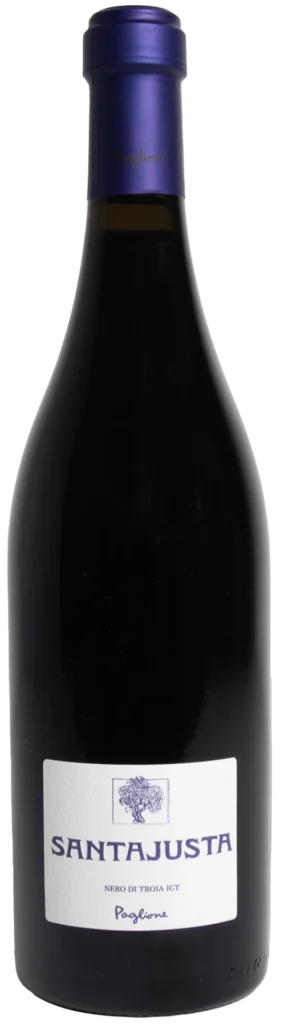
SantaJusta
'SantaJusta, think of it yourself!'
It is the invocation that reached the hero as she rested under the great oak after her battles during the siege of Lucera by Charles I of Anjou. SantaJusta, rebel and outlaw, fearless and brave, took sides and fought for freedom. Like every hero of popular culture, between myth and legend, the imaginary world of SantaJusta moves through history and rises to become an archetype of justice. A symbol of revolt, of an act of overturning power, money and family, where everything is allowed if the aim is to subvert the rule in favour of the people. This wine thus becomes a tribute to his story, to one of the most representative yet least spoken-of appellations of our territory. It is also a tribute to those who do not passively accept defeat - by adversity, fatigue, loss or pain - but resist. Resist and fight.
Visually, ‘SantaJusta’ shows a beautiful intense ruby red with garnet reflections, structured and viscous in the glass. On the nose it offers clearly fruity aromas of blackberry, plum and pomegranate. The finish is spicy, with notes of black pepper and cloves, ending with a light toastiness from aging in wood. On the palate it is warm, dry and full-bodied, with a pronounced and elegant tannic texture.
DOWNLOADNero di Troia IGP
Grape varieties
Nero di Troia
Alcoholic fermentation
Spontaneous, in stainless steel tanks, with maceration on the skins for 20 days at 24/26 °C
Aging
24 months in second-passage French oak tonneaux and 12 months in bottle. Unfiltered, unstabilised.
Alcohol
14%
Serving temperature
18°-20° C
DATASHEET